Pablo Picasso

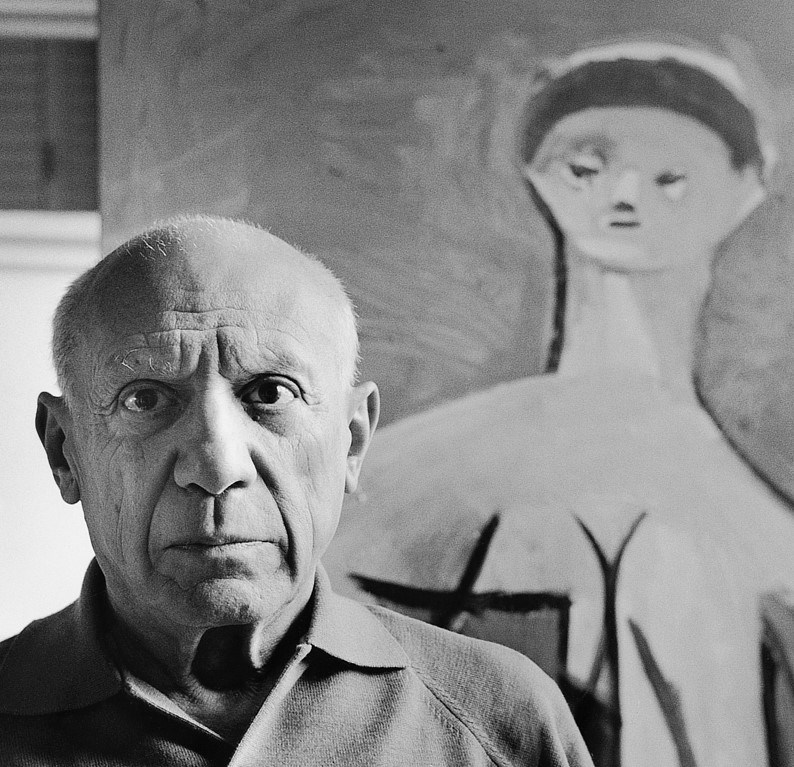
October 25, 1881 (Málaga, Spain) – April 8, 1973 (Mougins, France)
Pablo Picasso was one of the most influential artists of the 20th century and a central figure in the development of modern art. He was born into a family connected to the arts, due to his father, José Ruiz Blasco, was a drawing teacher who encouraged his son’s artistic talent from an early age. During his youth, Picasso studied at several art academies in Spain, including the Real Academia de Bellas Artes de San Fernando, where he refined his technique and began experimenting with different styles.
At the end of the 19th century, Picasso moved to Barcelona, where he became involved in the city’s artistic and intellectual circles. Shortly afterward, he began traveling to Paris, which at the time was the main center of modern art. Between 1901 and 1904 he developed his well-known Blue Period, characterized by cool tones and melancholic themes related to poverty and loneliness. From 1904 onward he entered his Rose Period, in which he used warmer colors and depicted characters from the circus and bohemian life.
In 1907 he created one of his most revolutionary works, Les Demoiselles d’Avignon, which marked the beginning of Cubism, developed together with the painter Georges Braque. Cubism profoundly transformed Western painting by introducing new ways of representing space and objects through fragmented forms and multiple viewpoints. During the following decades, Picasso continued exploring different styles and techniques, working not only in painting but also in sculpture, printmaking, ceramics, and stage design.
Throughout his career, Picasso also responded to the political and social events of his time. In 1937 he painted Guernica, one of his most famous works, inspired by the Bombing of Guernica during the Spanish Civil War. This large mural became a powerful symbol against war and violence. For most of his life he lived in France, where he continued producing an enormous number of works across different artistic disciplines.
Today he is considered one of the most important and influential artists in the history of art. His extensive artistic production profoundly transformed the visual language of the 20th century, and his works are preserved in museums around the world, including the Museo Picasso (Málaga, Spain), the Musée Picasso (Paris, France), and the Museo Nacional Centro de Arte Reina Sofía (Madrid, Spain), where the famous Guernica is displayed.
Exhibitions
-
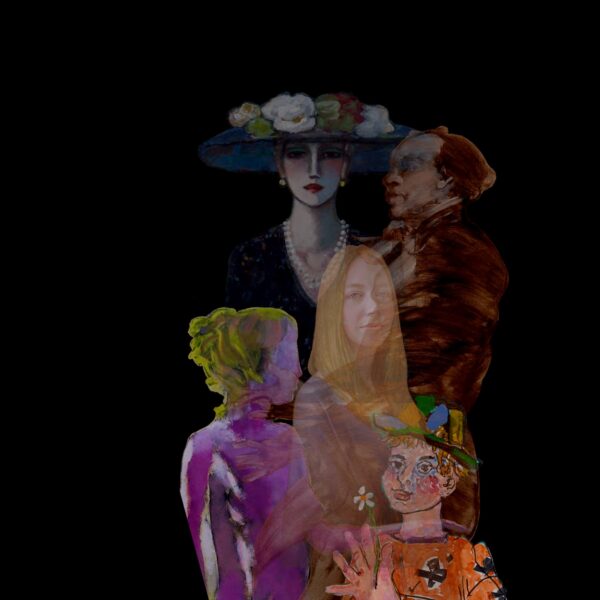
FIGURES
22 September 2022 - 10 October 2022 / OSAKA -
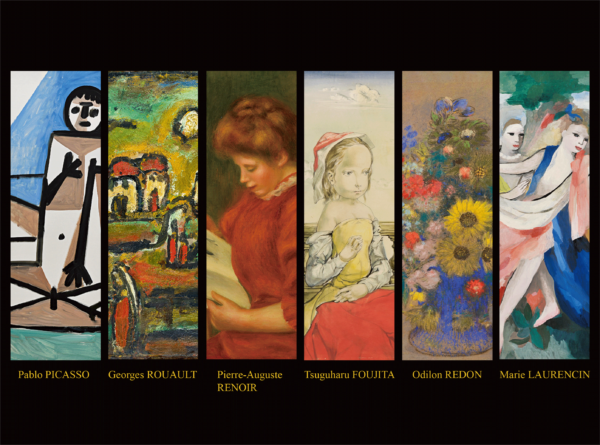
chefs-d’œuvre de la galerie taménaga
6 March 2020 - 12 April 2020 / OSAKA -
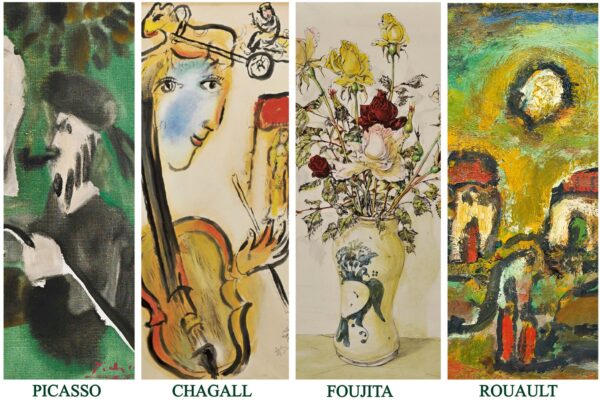
chefs-d’œuvre de la galerie taménaga
8 September 2019 - 8 December 2019 / TOKYO -
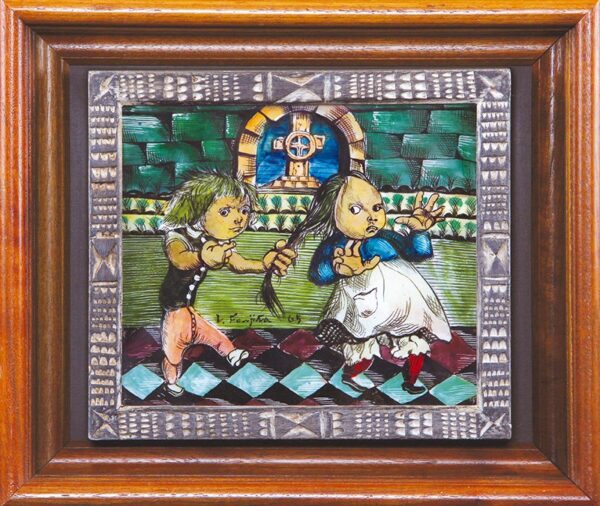
The small masterpieces Ⅷ
13 December 2018 - 13 January 2019 / OSAKA -
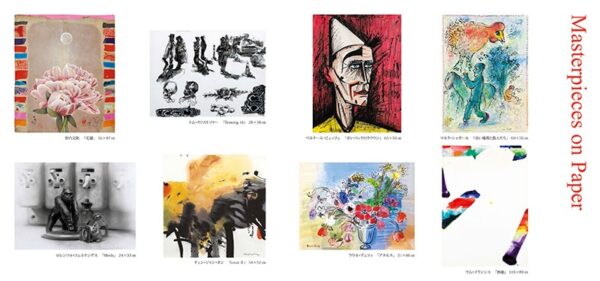
Masterpieces on Paper
15 September 2017 - 18 October 2017 / OSAKA
_ページ_1-424x600.jpg)