
Pierre-Auguste Renoir

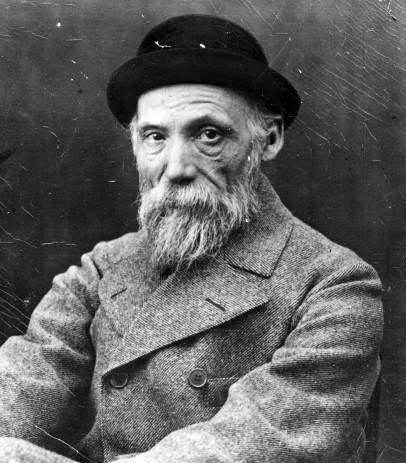
February 25, 1841 (Limoges, France) – December 3, 1919 (Cagnes-sur-Mer, France)
Pierre-Auguste Renoir was one of the most prominent painters of Impressionism and a key figure in the development of modern painting. He was born into a modest family that moved to Paris when he was a child, where he began working at an early age as a decorative porcelain painter, an experience that influenced his sensitivity to color and ornamentation.
In 1862 he entered the École des Beaux-Arts and studied in the studio of the painter Charles Gleyre, where he met young artists such as Claude Monet, Alfred Sisley, and Frédéric Bazille. Together they began painting outdoors (en plein air), exploring new ways of representing light and modern life. These experiences contributed to the emergence of Impressionism, a movement that sought to capture the fleeting impressions of light and atmosphere.
During the 1870s he participated in several exhibitions of the Impressionist group and created some of his most famous works. Among them is Bal du moulin de la Galette, a vibrant scene of Parisian social life that reflects his interest in light, movement, and outdoor gatherings. Renoir developed a style characterized by loose brushstrokes, luminous colors, and a warm representation of the human figure, especially in portraits and scenes of leisure.
In the 1880s his painting evolved toward a more structured style, influenced by the Renaissance masters he studied during his travels to Rome, Florence, and Naples. Despite suffering from severe Rheumatoid arthritis in his later years, he continued painting with great dedication. He settled in Cagnes-sur-Mer, in the south of France, where he produced many of his final works, characterized by warm colors and monumental figures.
Today he is considered one of the great masters of Impressionism and one of the most influential painters of modern art. His works are preserved in major museums around the world, including the Musée d’Orsay (France), the The Metropolitan Museum of Art (New York), and the Art Institute of Chicago, where they continue to be admired for their luminosity, sensitivity, and celebration of everyday life.
Exhibitions
-
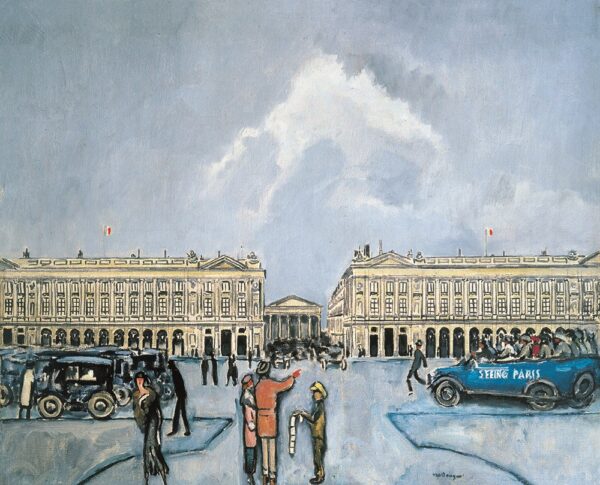
EXPOSITION DE PAYSAGE
31 October 2020 - 29 November 2020 / OSAKA -
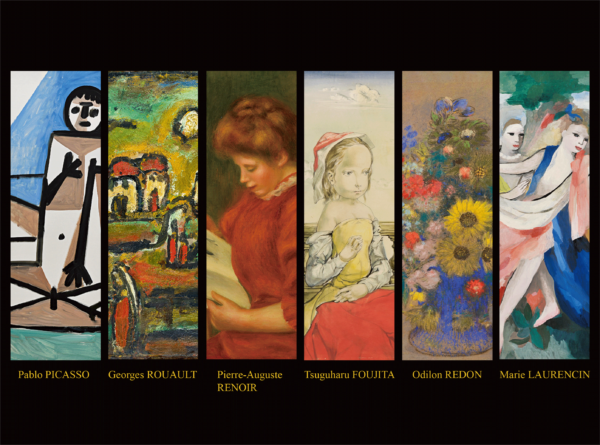
chefs-d’œuvre de la galerie taménaga
6 March 2020 - 12 April 2020 / OSAKA -
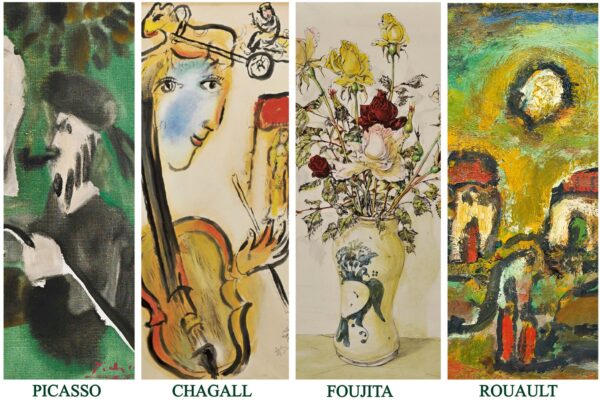
chefs-d’œuvre de la galerie taménaga
8 September 2019 - 8 December 2019 / TOKYO -
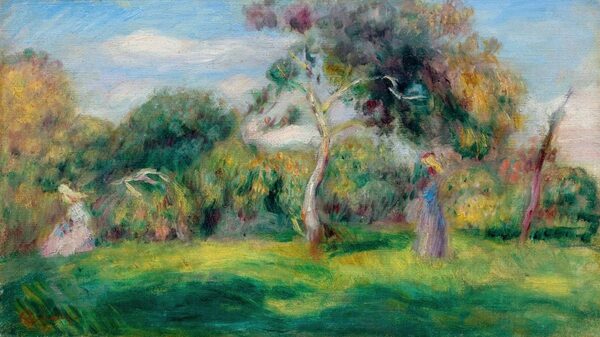
Renoir
14 March 2019 - 6 May 2019 / OSAKA -
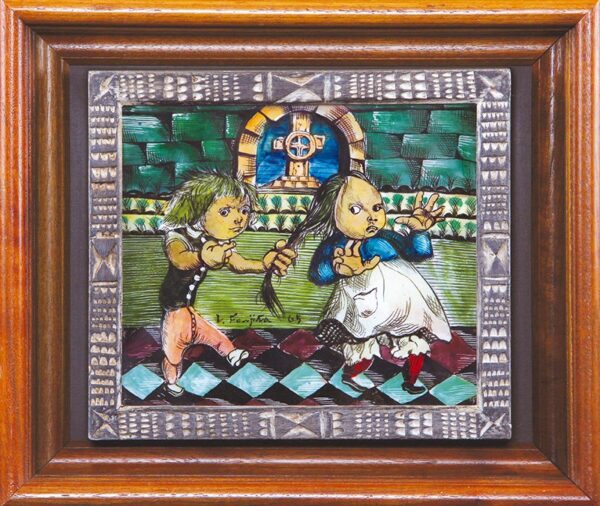
The small masterpieces Ⅷ
13 December 2018 - 13 January 2019 / OSAKA
News
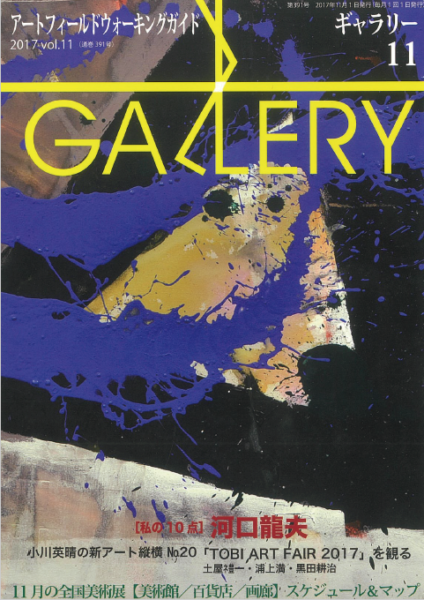
Publications
-
Chefs-d’oeuvre