
Kees Van Dongen

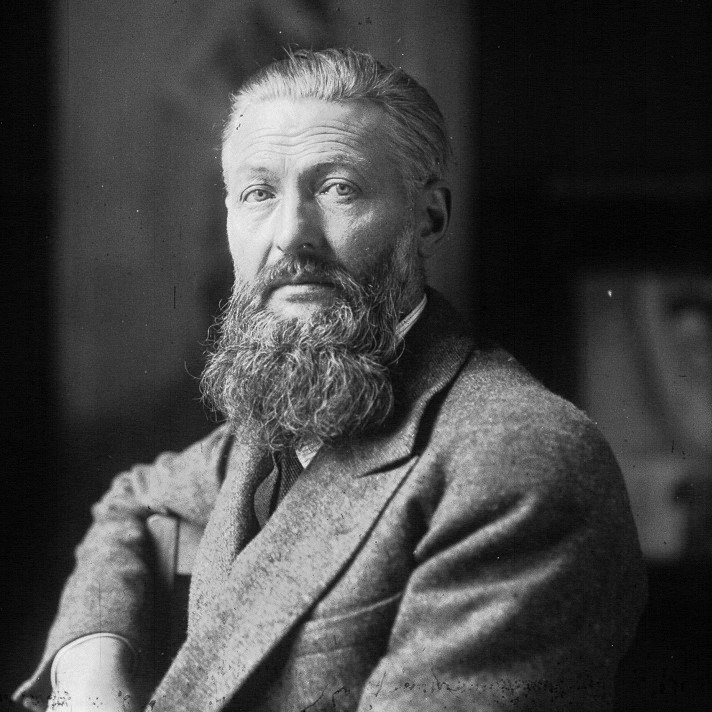
January 26, 1877 (Rotterdam, Netherlands) – May 28, 1968 (Monaco)
Kees van Dongen was a Dutch-born painter who later became a French citizen, known for his elegant portraits and his participation in the Fauvism movement. He was born into a modest family, from a young age he showed an interest in art and studied at the Royal Academy of Fine Arts of Rotterdam, where he received his initial artistic training.
In 1897 he moved to Paris, which at the time was the center of the artistic avant-garde. There he settled in Montmartre, a neighborhood known for its intense cultural and bohemian life. During his early years he worked as an illustrator and caricaturist for satirical magazines while developing his painting style. In this period he came into contact with avant-garde artists and participated in exhibitions that helped launch his career.
At the beginning of the 20th century he became associated with the Fauvist group and exhibited at the Salon d’Automne in 1905 alongside artists such as Henri Matisse and André Derain. His paintings from this period are characterized by bold use of intense colors, free brushstrokes, and expressive representations of human figures. Van Dongen became particularly known for his female portraits, in which he emphasized facial features, large eyes, and vibrant colors.
During the 1920s and 1930s he achieved great success as a portraitist of European high society. He painted numerous figures from artistic, cultural, and aristocratic circles, developing an elegant and sophisticated style that made him one of the most sought-after portrait painters of his time. His works reflect the cosmopolitan atmosphere of Parisian life between the two world wars, including scenes of cabaret, fashion, and nightlife.
Today Kees van Dongen is considered an important artist of Fauvism and a significant portrait painter of the 20th century. His works are preserved in major museums such as the Musée d’Art Moderne of Paris, the Centre Pompidou and the Museum of Modern Art (New York), where they continue to be appreciated for their bold style and vibrant use of color.
Exhibitions
-
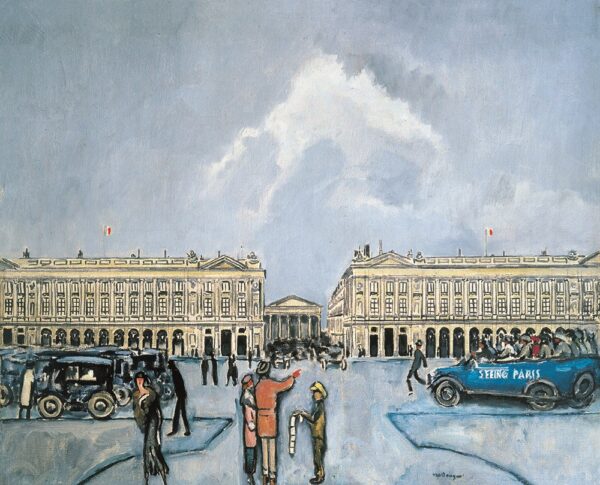
EXPOSITION DE PAYSAGE
31 October 2020 - 29 November 2020 / OSAKA -
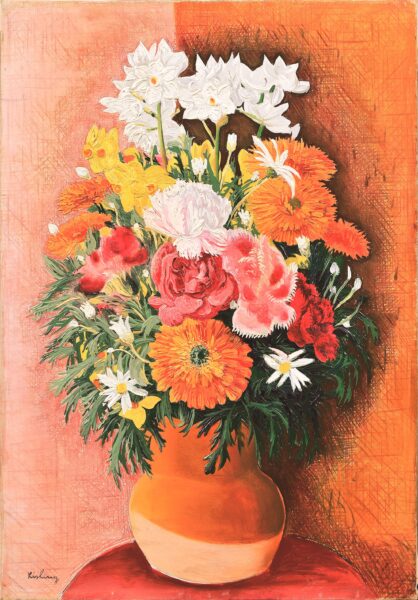
花展╶ 百花繚乱╶
31 October 2020 - 13 December 2020 / TOKYO -
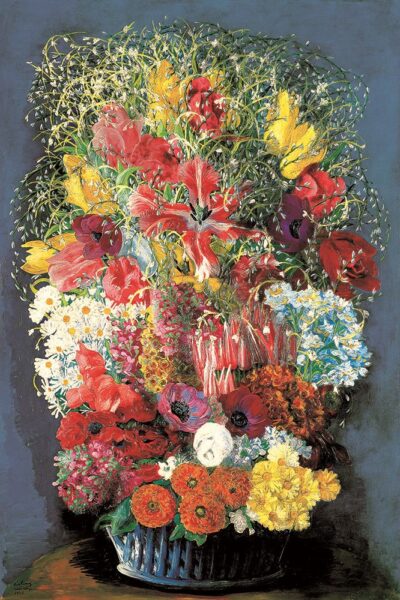
Les Fleurs
2 July 2020 - 26 July 2020 / OSAKA -
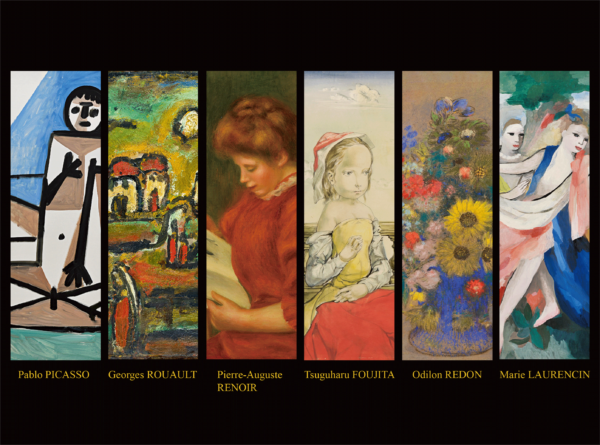
chefs-d’œuvre de la galerie taménaga
6 March 2020 - 12 April 2020 / OSAKA -
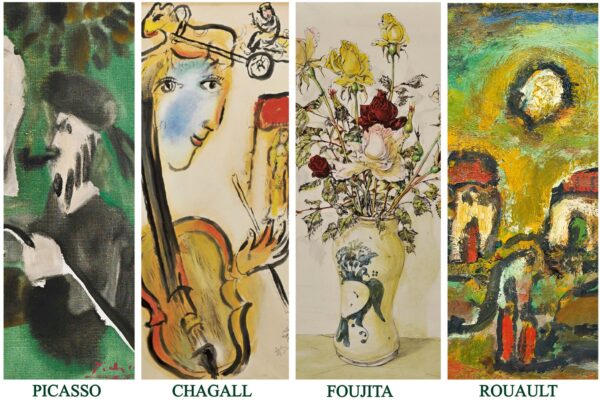
chefs-d’œuvre de la galerie taménaga
8 September 2019 - 8 December 2019 / TOKYO
News
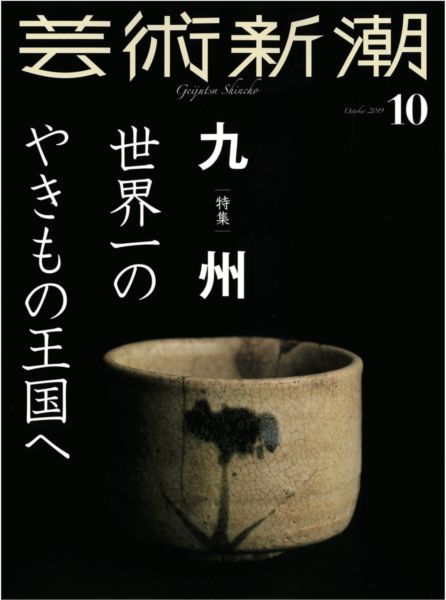
Publications
-
Chefs-d’oeuvre
-
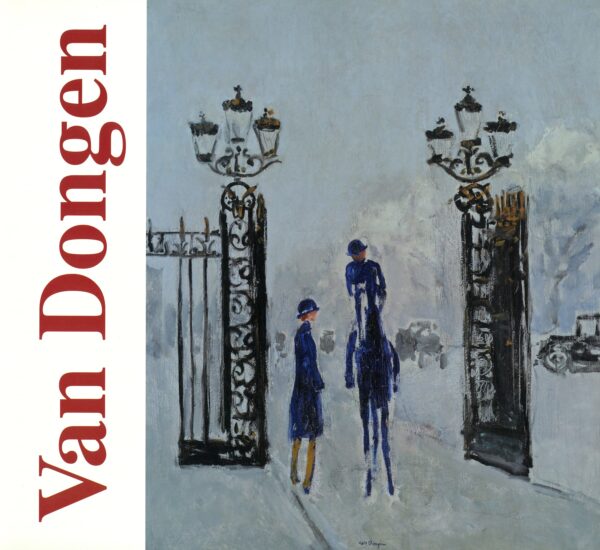
Van Dongen
-
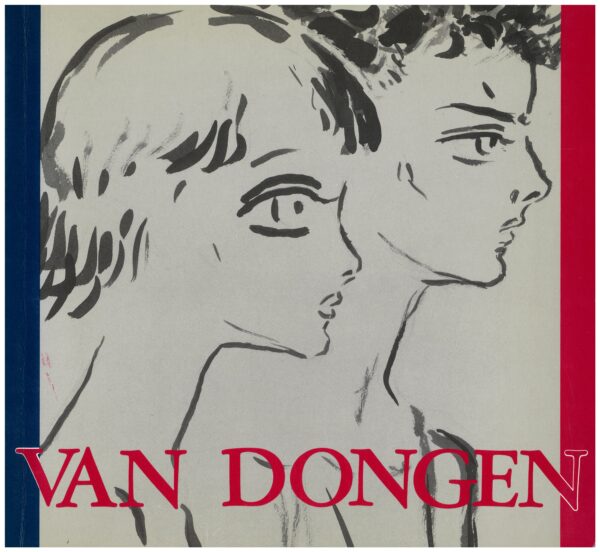
VAN DONGEN