
Albert Marquet

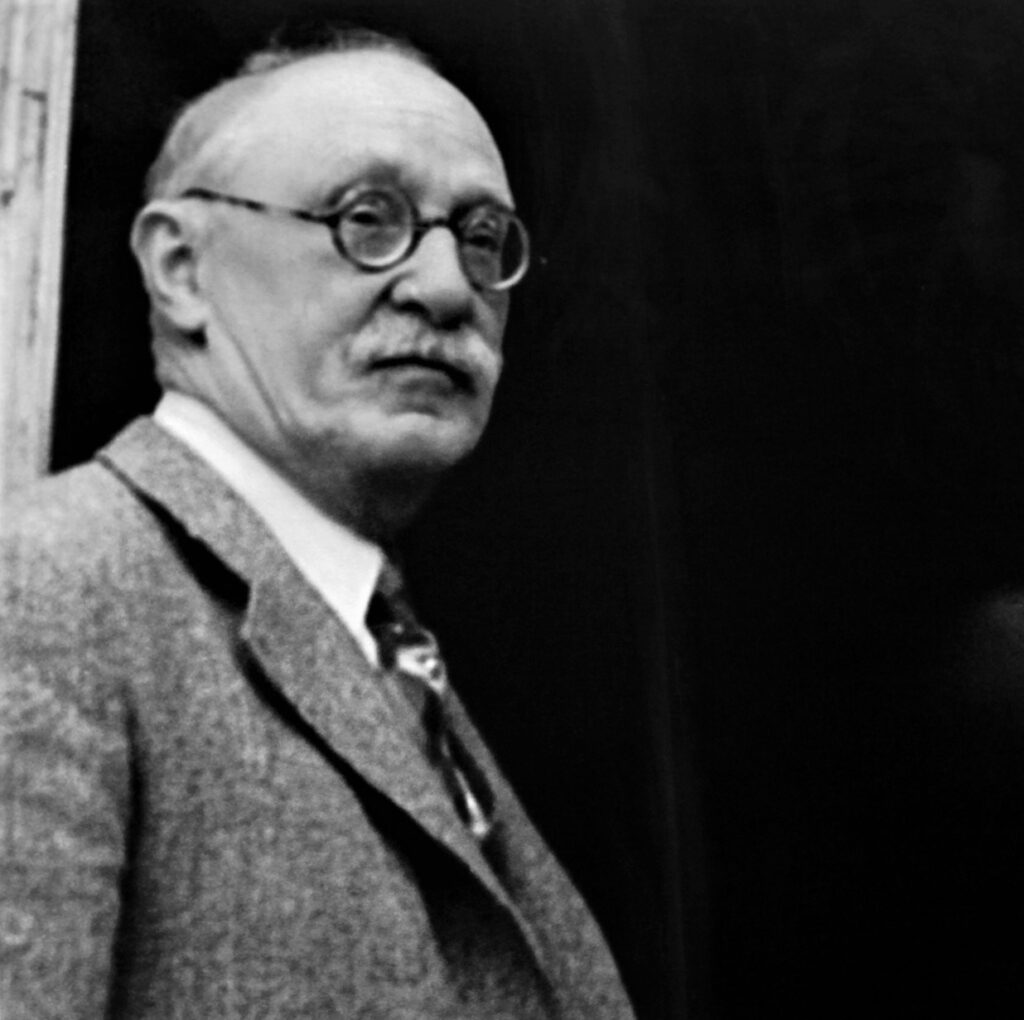
March 27, 1875 – June 14, 1947 (Paris, France)
Coming from a low-income family, Marquet showed an early interest in drawing and painting. He moved to Paris in 1890 to study at the École des Arts Décoratifs, where he met Henri Matisse, with whom he maintained a close and lasting friendship. In 1892, he began his studies at the École des Beaux-Arts, where he was a pupil of the painter Gustave Moreau. There, he trained by copying works from the Louvre and creating landscapes and studies from nature, influenced by Impressionism.
At the beginning of the 20th century, he joined the group of Fauvist painters, known for their intense and expressive use of color. From 1901, Marquet exhibited his paintings at the Salon des Indépendants, where his work began to attract the attention of the Parisian art community, and in 1905 he participated in the Salon d’Automne. However, he gradually moved away from the intense colors of Fauvism and developed a more balanced style, with soft tones and simple compositions. After his first solo exhibition at the Galerie Druet in 1907, Marquet’s works began to be acquired by private collections and, later, by museums, thanks to the support of art dealers such as Ambroise Vollard, who helped promote his work in the French and international art markets.
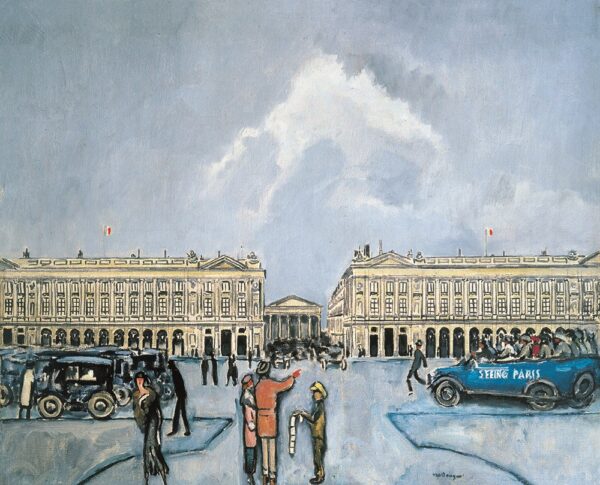
During the 1910s, he painted series of female nudes and some portraits, while consolidating his interest in urban views and landscapes. He used matte yellows, muted violets and blues, employing black as a contrasting element to define the forms of trees and human figures. The latter appear elegantly simplified, integrated into the scene without dominating the composition, in a style reminiscent of Japanese Ukiyo-e prints.
Throughout his life, he traveled to various European cities and North Africa, painting landscapes and port scenes, which became central themes in his work. He spent long periods in Algiers, whose landscapes and light greatly influenced his paintings, as well as the city’s lively atmosphere, where he resided during part of World War II. Among the European cities that most influenced his work were Naples and Venice, where he depicted the sea and boats, emphasizing the reflection of light on the water. Thanks to these travels, his work gained an international dimension, contributing to his fame beyond France.
He spent his final years in Paris, continuing to work and refine his technique until his death in 1947. Today, Albert Marquet is recognized as one of the great French landscape painters of the 20th century, especially for his delicate depictions of rivers, ports, and urban landscapes, where he captured the atmosphere, light, and reflections on the water of the places he painted. His work can be found in museums such as The Metropolitan Museum of Art (New York), Museo Nacional de Bellas Artes (Argentina), Musée d’Orsay (Paris, France), and MuMa – Musée d’art moderne André Malraux (Le Havre).
Selected artworks
-
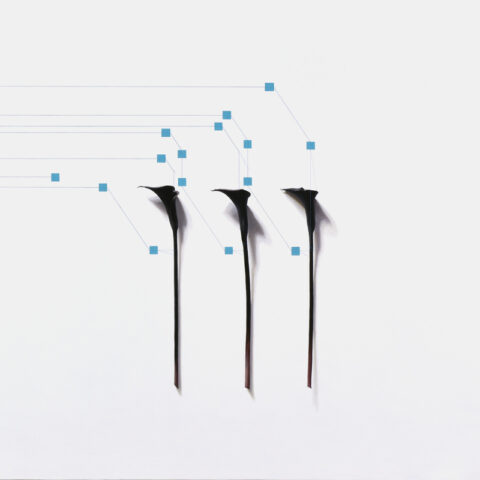
Calla Lily – Three in Motion
Exhibitions
Publications
-
Chefs-d’oeuvre