Maurice de Vlaminck

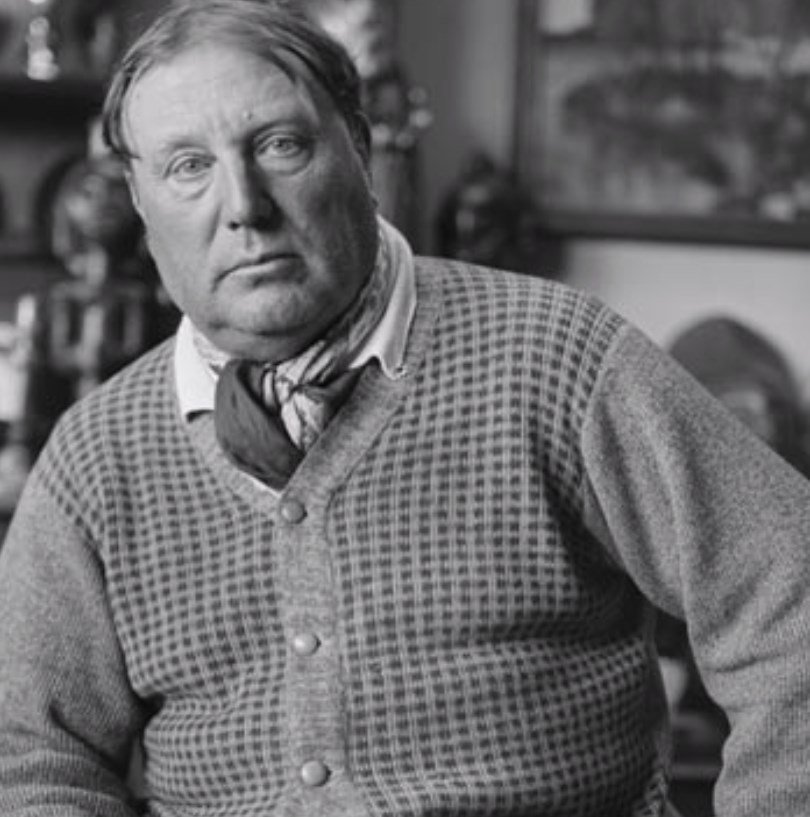
April 4, 1876 (Paris, France) – October 11, 1958 (Rueil-la-Gadelière, France)
Maurice de Vlaminck was a French painter, writer, and musician, known as one of the leading figures of Fauvism. He was born into a family of musicians. From a young age he showed an interest in painting, although he was also initially involved in music, particularly the violin, as well as writing. His artistic career began largely as a self-taught painter, without formal academic training.
In 1900 he met the painter André Derain, with whom he formed a close friendship and artistic partnership. Together they worked in Chatou, where they developed a pictorial style characterized by intense colors and vigorous brushstrokes. Soon afterward they came into contact with Henri Matisse and other artists who would form the core of the Fauvist movement.
In 1905 he participated in the famous Salon d’Automne, where critics first used the term “fauves” (“wild beasts”) to describe the bold and vibrant painting of this group of artists. Vlaminck’s works from this period are characterized by the use of pure colors, strong contrasts, and expressive brushwork that aimed to convey emotion rather than faithfully represent reality.
From the 1910s onward his style evolved toward a more structured and darker form of painting, influenced by the work of Paul Cézanne. During these years he mainly painted landscapes of the French countryside, with more solid compositions and a more restrained color palette. In addition to his painting, Vlaminck also wrote novels, essays, and memoirs in which he reflected on art and his own career.
Today Maurice de Vlaminck is considered one of the key artists of Fauvism and one of the painters who helped transform the language of painting at the beginning of the 20th century. His works are preserved in major museums such as the Musée d’Orsay, the Centre Pompidou, and the Museum of Modern Art (New York), where they continue to be admired for their expressive power and intense use of color.
Exhibitions
-
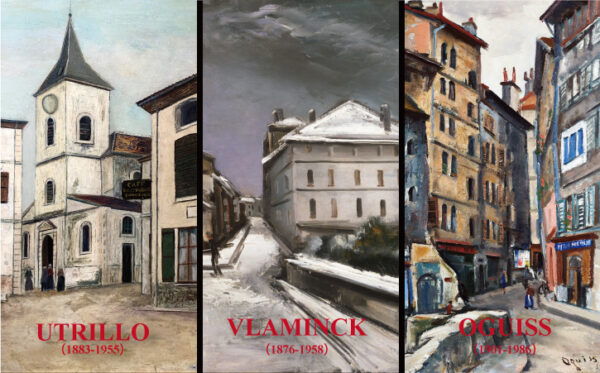
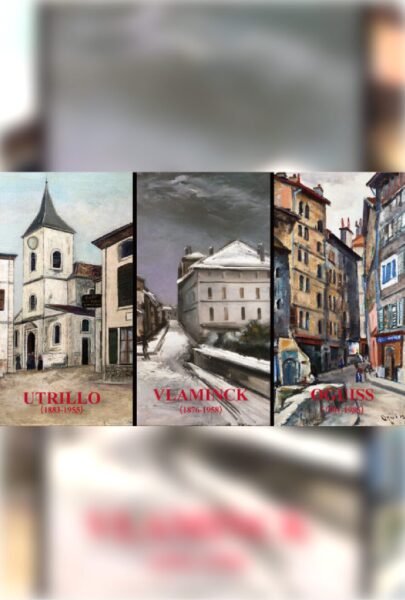
UTRILLO VLAMINCK OGUISS
11 November 2023 - 10 December 2023 / OSAKA -
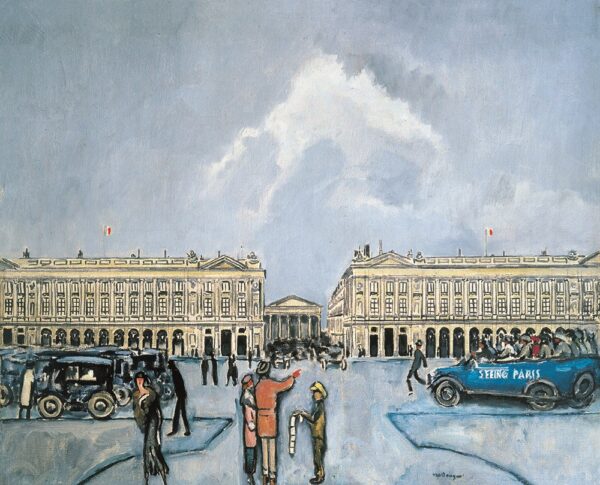
EXPOSITION DE PAYSAGE
31 October 2020 - 29 November 2020 / OSAKA -
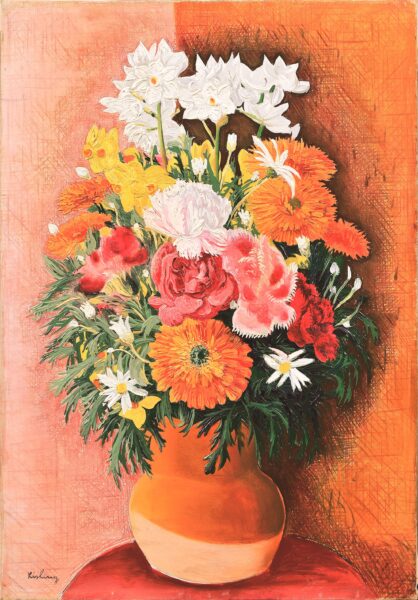
花展╶ 百花繚乱╶
31 October 2020 - 13 December 2020 / TOKYO -
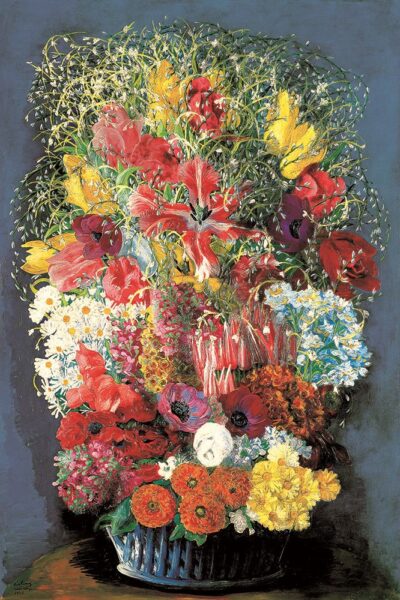
Les Fleurs
2 July 2020 - 26 July 2020 / OSAKA -
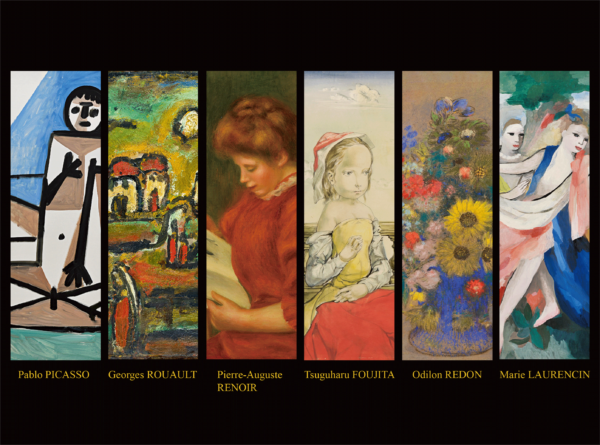
chefs-d’œuvre de la galerie taménaga
6 March 2020 - 12 April 2020 / OSAKA