
Georges Rouault

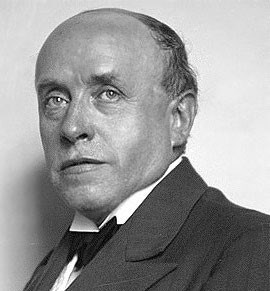
May 27, 1871 – February 13, 1958 (Paris, France)
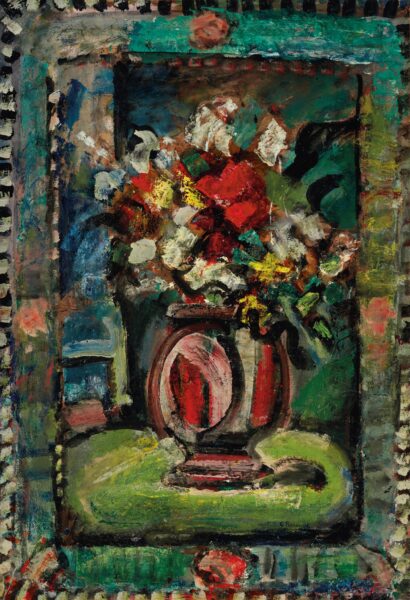
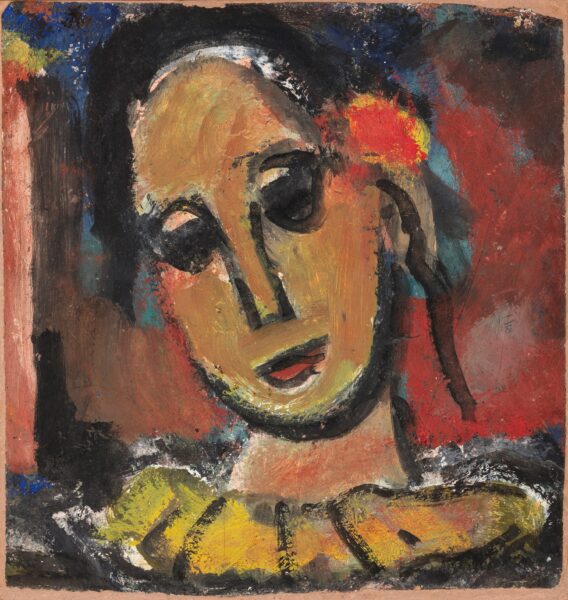
Georges Rouault was a French painter and printmaker associated with Expressionism and with religious art of the 20th century. He was born into a modest family during the events of the Paris Commune. From a young age he showed an interest in art, and at fourteen he began working as an apprentice in a stained-glass restoration workshop. This experience deeply influenced his pictorial style, characterized by strong black outlines and intense colors reminiscent of medieval stained-glass windows.
In 1890 he entered the École des Beaux-Arts, where he studied under the Symbolist painter Gustave Moreau. Under Moreau’s influence, he developed an interest in spiritual themes and in a form of painting charged with moral and emotional meaning. After Moreau’s death in 1898, Rouault was appointed curator of the museum dedicated to his teacher, which allowed him to study his work in greater depth.
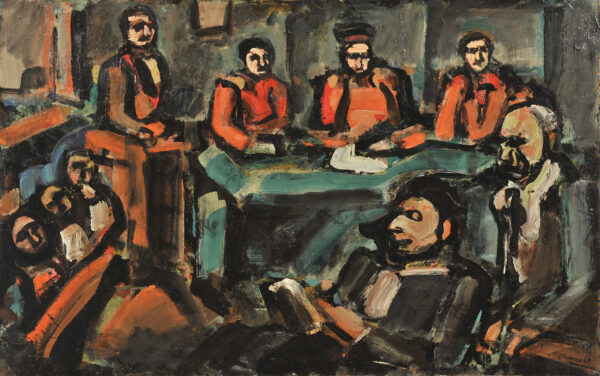
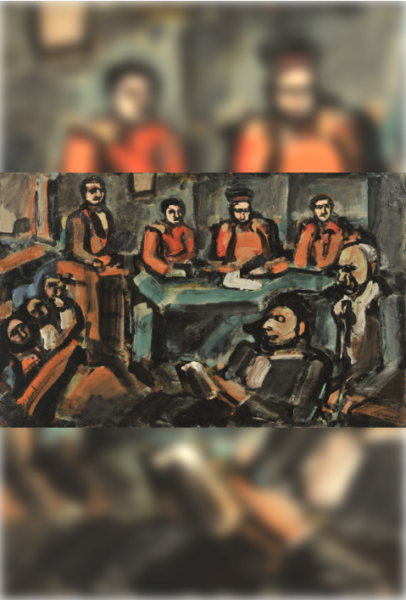
At the beginning of the 20th century, Rouault began to develop a deeply expressive personal style. His paintings depicted figures such as judges, clowns, prostitutes, and other marginalized characters, through which he denounced social hypocrisy and explored themes of suffering, compassion, and redemption. His painting is characterized by thick dark contours, intense colors, and a strong spiritual dimension, placing him close to Expressionism, although he always maintained a very personal artistic language.
During his career he also distinguished himself as a printmaker. Among his most important works is the series Miserere, created between 1914 and 1927 and considered one of the great achievements of 20th century printmaking. These images reflect the horrors of war and human suffering with a profound religious dimension.
Georges Rouault continued working throughout much of the 20th century, producing paintings, prints, and works with strong religious themes. Today he is recognized as one of the most important French artists of his time, noted for his intense and spiritual style, which combines influences from Symbolism, Expressionism, and medieval art. His works are preserved in museums such as the Centre Pompidou, the Museum of Modern Art (New York), and the Musée d’Art Moderne of Paris, where they continue to be studied and admired.
Exhibitions
Fairs
News


Publications
-
Chefs-d’oeuvre
-
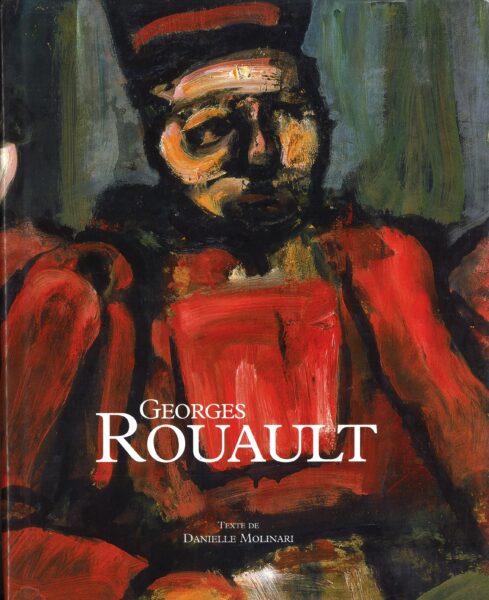
Georges Rouault